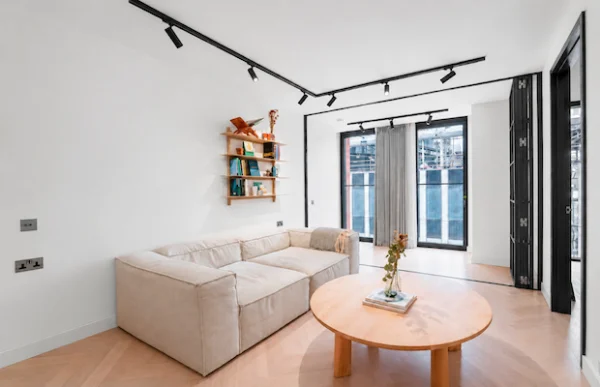
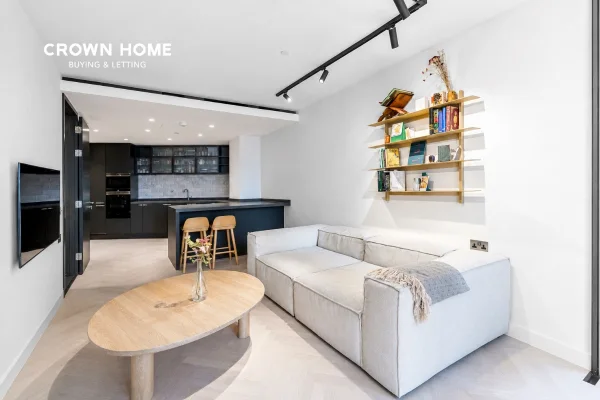
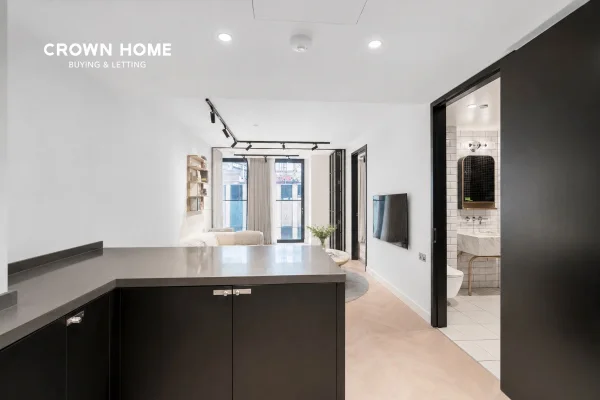
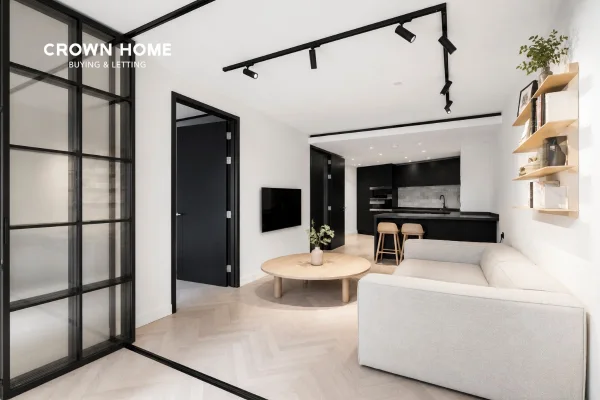
Renting in London in 2026 means budgeting for an average rent of around £2,280 a month, but rent growth has slowed and the Renters' Rights Act has given tenants stronger protections. This guide covers costs, fees, areas and how to secure a home. Ready to search now? See what we have to rent.
London's rents are high, but renting here buys access to one of the world's most energetic cities, and there are real advantages to renting rather than buying.
How much does it cost to rent in London in 2026?
The average private rent in London was £2,280 a month in March 2026, the highest of any English region, according to the Office for National Statistics. That figure includes long-standing tenancies, so new lets usually cost more.
The pace of increases is easing. London rents rose 2.2% in the 12 months to June 2026, according to ONS figures. Rightmove also found that London homes now attract about eight enquiries each, below the national average of ten, which gives tenants slightly more room to negotiate.
Your rights as a London tenant: the Renters' Rights Act
The Renters' Rights Act 2025 came into force on 1 May 2026 and covers private renting in England, according to Houst. For anyone renting in London, the main changes are:
Some parts of the Act are being phased in, so check the latest guidance on gov.uk before relying on a specific deadline.
Upfront costs: deposits and fees when renting in London
Letting agents cannot charge tenants admin, referencing or renewal fees. Under the Tenant Fees Act 2019, you pay only rent, a capped refundable deposit, a capped holding deposit and a few permitted costs such as utilities, council tax and a replacement key.
For a home renting at £2,000 a month, the upfront costs would be:
The caps are set out in the Tenant Fees Act guidance. A holding deposit is normally held for up to 15 days and must be refunded within 7 days after that deadline if the tenancy does not go ahead, unless an exception applies. Your tenancy deposit should be protected in a government-approved scheme.
On top of rent, remember council tax, energy, broadband and contents insurance. These vary by borough and property, so ask for estimates before you commit.
London rents depend heavily on location, so the right area is usually a trade-off between price, space and commute.
When comparing areas, factor in travel costs as well as rent. Transport for London raised fares by an average of 3.2% in March 2026, according to Moving to the UK, so a cheaper postcode can narrow the saving once you add a daily commute.
Finding a home in London is quicker and easier when you are prepared. Follow these steps:
A letting agent can guide you through every stage, from shortlisting to move-in day.
The average private rent in London was £2,280 a month in March 2026, according to the ONS. New lets advertised on property portals are higher, at around £2,791 a month in the second quarter of 2026, according to Rightmove.
Yes, but more slowly. Average London rent rose 2.2% in the 12 months to June 2026, according to the ONS.
A tenancy deposit is capped at five weeks' rent when the annual rent is under £50,000, and six weeks' rent at £50,000 or more. A holding deposit is capped at one week's rent.
No. Section 21 no-fault evictions were abolished in England on 1 May 2026, so landlords must have a valid ground under Section 8.
Landlords must follow the formal Section 13 process, and tenants can challenge increases they believe are above market rate at tribunal.
Not always. If your income or credit history does not meet a landlord's requirements, you may be asked for a UK-based guarantor. Ask your agent early so there are no delays.
Whether you want a city-centre flat, a garden apartment near the park or a family home further out, our lettings team can help you find the right place and guide you from viewing to move-in.


Please leave your message here, and a member of our team will get back to you within 24 hours. Alternatively, you can reach us at info@chbl.uk or call us at 0203 949 8888.

International House, 1 St. Katharine's Way
London, E1W 1UN